The following is adapted from an article from Scott Brassart, Director of Online Education for both addicts and partners. He is also involved in the creation, production, and dissemination of online information, treatment manuals, books and workbooks, and other written materials. Additionally, he teaches the Sex Addiction, Porn Addiction, and Healthy Intimacy workgroups.
What Is a Sex Addiction Treatment Program?
A sex addiction treatment program is a structured approach to help address compulsive sexual behaviors that have created problems in your life. These programs typically include professional evaluation, individual therapy, and some form of group support to build accountability.
Treatment may happen in a residential setting, where you live at a facility for several weeks, or on an outpatient basis, where you continue daily life while attending scheduled sessions. Many programs now incorporate virtual components, making expert care accessible regardless of your location.
The goal is not just to stop problematic behaviors but to understand what drives them. Programs often address underlying issues like trauma, attachment difficulties, and emotional regulation challenges that fuel addictive patterns.
Why Do Treatment Programs Include Live Groups?
Recovery from sex addiction is rarely a solo journey. Live support groups bring together people facing similar challenges, creating a space where you can speak openly without judgment. This peer connection helps break the isolation that often accompanies addiction.
Group settings also allow you to learn from others. Hearing how someone else handled a triggering situation or worked through a difficult week gives you practical strategies you might not discover in one-on-one therapy.
The real-time aspect matters, too. Unlike pre-recorded content or message boards, live groups require you to show up at a scheduled time. This builds structure and accountability into your week, both of which support long-term recovery.
How Do Live Groups Work in Practice?
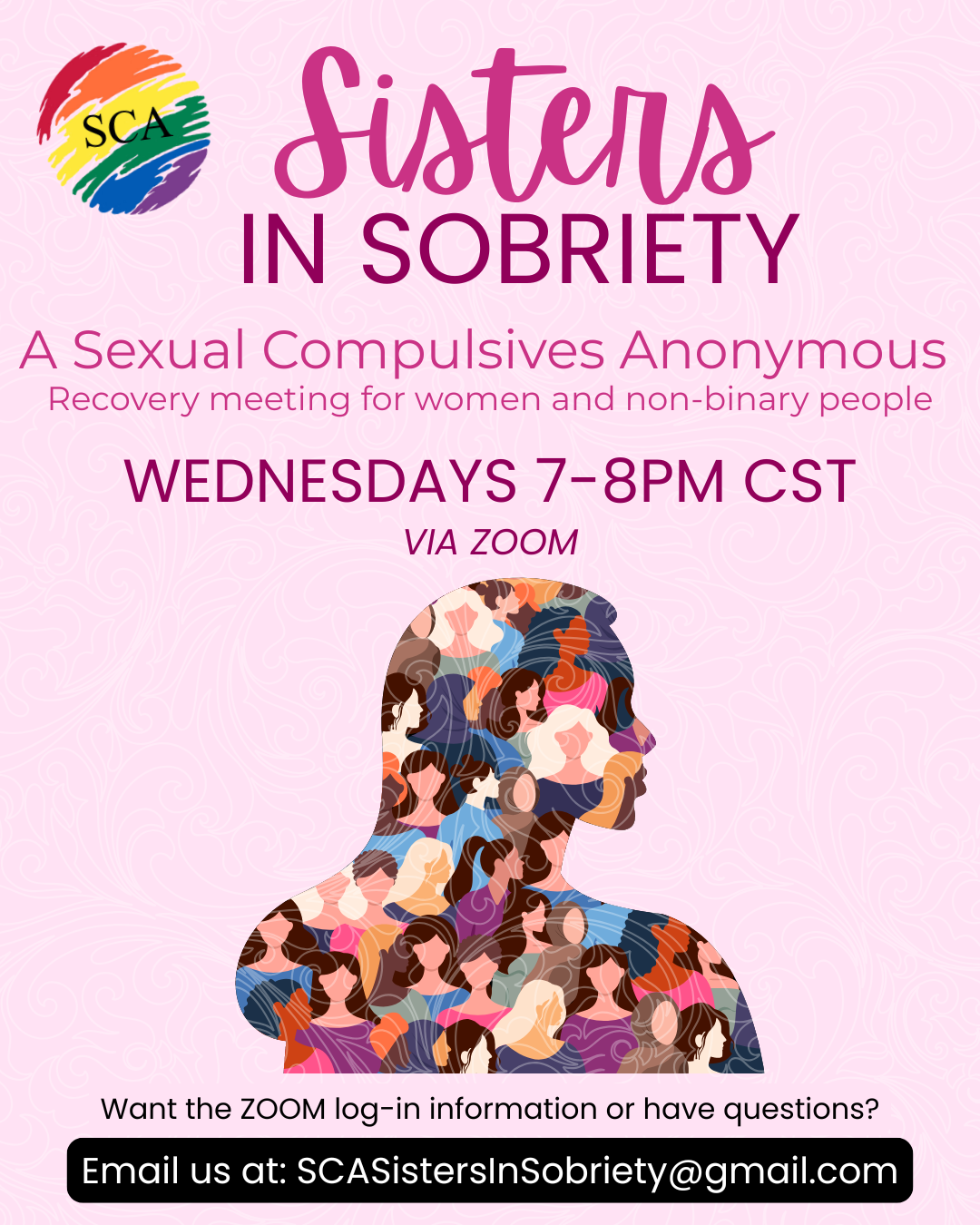
Live in-person or online groups typically meet on a regular basis at one location or via video conferencing platforms like Zoom. A trained facilitator or written format guides the session, keeping discussions focused and ensuring everyone has space to participate. Sessions typically last anywhere from one to two hours, depending on the program.
Most groups follow a path that aids in identifying addictive patterns, understanding triggers, building healthy coping skills, and developing a relapse prevention plan.
Participants agree to confidentiality guidelines before joining. What gets shared in the group stays in the group. This creates the safety needed for honest conversation about topics that feel difficult to discuss elsewhere.
What Happens When You Combine Individual Therapy with Online Groups?
Individual therapy and group support serve different purposes, and combining them creates a more complete recovery experience. In individual therapy, you work through personal history, trauma, and the specific thought patterns that drive your behavior. Groups give you a place to practice what you’re learning with real people in real time.
Therapists often recommend group participation as an adjunct to individual sessions. The group becomes a testing ground for new skills: setting boundaries, expressing emotions, asking for help. You also receive feedback from peers who notice things you might miss about yourself.
This approach addresses both the clinical and social dimensions of addiction. You get expert guidance for your specific situation while building a network of people committed to the same recovery goals.
What Should You Look for in an Online Group?
When evaluating programs, start with the format of the group. Try several meetings and then decide which one you feel will be most helpful.
Look at the structure and duration of the workgroup. Give yourself enough time to move beyond surface-level discussion into meaningful work. Programs that offer multiple levels or follow-up options can support your growth over months or years.
Consider also whether the program addresses your specific situation. Some groups focus on men dealing with sex or porn addiction, others on relationships, processing trauma, and still others on couples working to rebuild trust together. Finding the right fit increases the likelihood you’ll stay engaged.
What Are the Benefits of Virtual Groups Over In-Person Meetings?
Virtual groups remove geographic barriers. You can participate in a specialized program regardless of whether one exists in your city. For people in rural areas or those with limited local resources, online access can mean the difference between getting help and going without.
Scheduling flexibility is another advantage. Many online groups meet during evening hours or on weekends, making it easier to attend without missing work. You also save travel time, which makes consistent attendance more realistic over the long term.
Some people find virtual settings less intimidating than walking into a physical meeting room. The screen provides a degree of psychological distance that can help you open up, especially in early sessions when trust is still forming.
What Role Does Peer Support Play in Recovery?
Peer support helps normalize your experience. When you hear others describe patterns similar to your own, it reduces the shame that often keeps addiction hidden. You realize you’re not alone, and that recognition itself can be healing.
Groups also build accountability. Knowing you’ll report back to others next week motivates you to follow through on commitments you’ve made. This social structure reinforces the habits and behaviors necessary for lasting change. Over time, peer relationships often deepen. Many people form connections that continue outside the formal group setting. Some stay in touch with their original workgroup members years after completing the program.